

In today’s online world, using SEO (Search Engine Optimization) is a must if you want people to find your website. Whether you’re running a personal blog, a startup website, or a large eCommerce store, optimizing your site for search engines can significantly improve your visibility, traffic, and conversions. This guide will break down the two core pillars of SEO: on-page and Off-page, and how to effectively use both for maximum results.
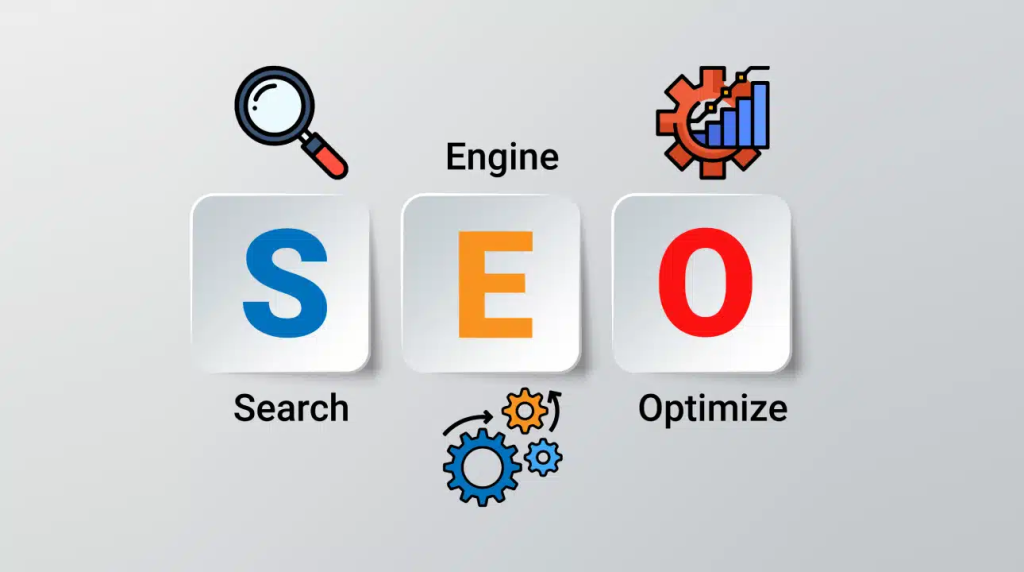
What is SEO?
SEO is all about making your website better so that it appears higher in search engine results like Google, helping more people find your content online.. The goal is simple: attract more organic (non-paid) traffic by making your content more relevant and trustworthy in the eyes of search engines like Google.
There are two primary components of SEO:
- On-page SEO – All the things you can change and improve directly on your website
- Off-page SEO – Strategies that happen outside your site to boost its credibility and authority
On-page SEO: Optimizing What You Control
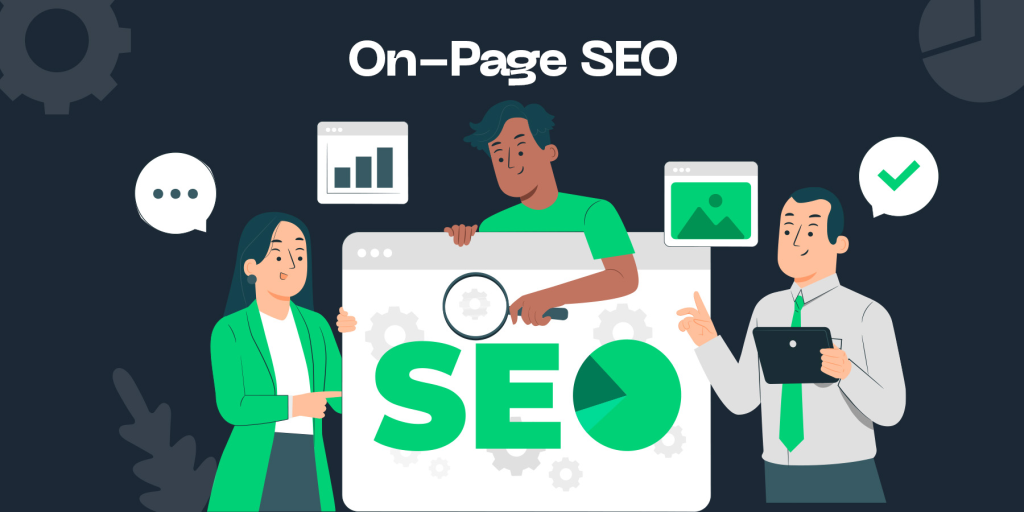
On-page SEO focuses on content and site elements that you can directly manage. Here’s what it involves:
1. Keyword Optimization SEO (Search Engine Optimization)
Choose relevant keywords for your niche and strategically place them in:
- Page titles
- Meta descriptions
- Headings (H1, H2, H3)
- Body content
- Use clear URL slugs, but don’t cram in too many keywords—keep it natural and easy to read
2. High-Quality Content
Search engines prioritize content that is helpful, informative, and engaging. Make sure your posts solve a problem, answer questions, or offer real value.
3. Mobile-Friendly Design
With mobile traffic dominating the web, having a responsive site is crucial. Google also considers mobile usability a ranking factor.
4. Fast Page Loading Speed
Slow websites turn users away. Use image compression, caching, and a reliable host to improve speed.
5. Internal Linking
Adding links to other pages on your site makes it easier for visitors to find their way around and helps search engines better understand how your content is organized.
6. Meta Tags and Alt Text
Well-crafted meta titles and descriptions boost your click-through rates. Use alt text for images to improve accessibility and provide additional SEO signals.
Off-page SEO: Building Authority and Trust
While on-page SEO is about what’s on your site, off-page SEO is about how your site is perceived elsewhere on the internet. It’s primarily focused on link-building and brand reputation.
1. Backlinks
Backlinks are links from other websites that lead to your content. Search engines treat them as proof of trust. The more quality backlinks you get, the better your site can rank.
How to get quality backlinks:
- Guest blogging
- Influencer collaborations
- Submitting to business directories
- Creating share-worthy infographics or tools
2. Social Media Engagement
While social media doesn’t directly affect rankings, it does amplify your content reach, increasing the chances of earning backlinks and traffic.
3. Online Reviews and Reputation Management
Positive reviews on platforms like Google Business, Yelp, and Trustpilot not only build credibility but also influence local SEO rankings.
4. Brand Mentions
Even if your site isn’t linked, mentions of your brand across the web can still serve as trust signals for search engines.
Why You Need Both On-page and Off-page SEO
Relying on just one half of the equation won’t cut it. On-page SEO ensures your website is technically sound and relevant, while off-page efforts build your site’s authority and trustworthiness.
Think of on-page SEO as building a solid foundation, and off-page SEO as building the reputation that attracts attention to your structure.
Final Thoughts
Mastering SEO takes time, consistency, and a strategic mix of both on-page and off-page tactics. Start by evaluating your current site structure and content, then build a plan to earn backlinks and improve your online reputation. Over time, these efforts will compound, helping you climb the search rankings and drive long-term success.
If you’re serious about growth, investing in a well-rounded SEO strategy is one of the smartest moves you can make for your business.